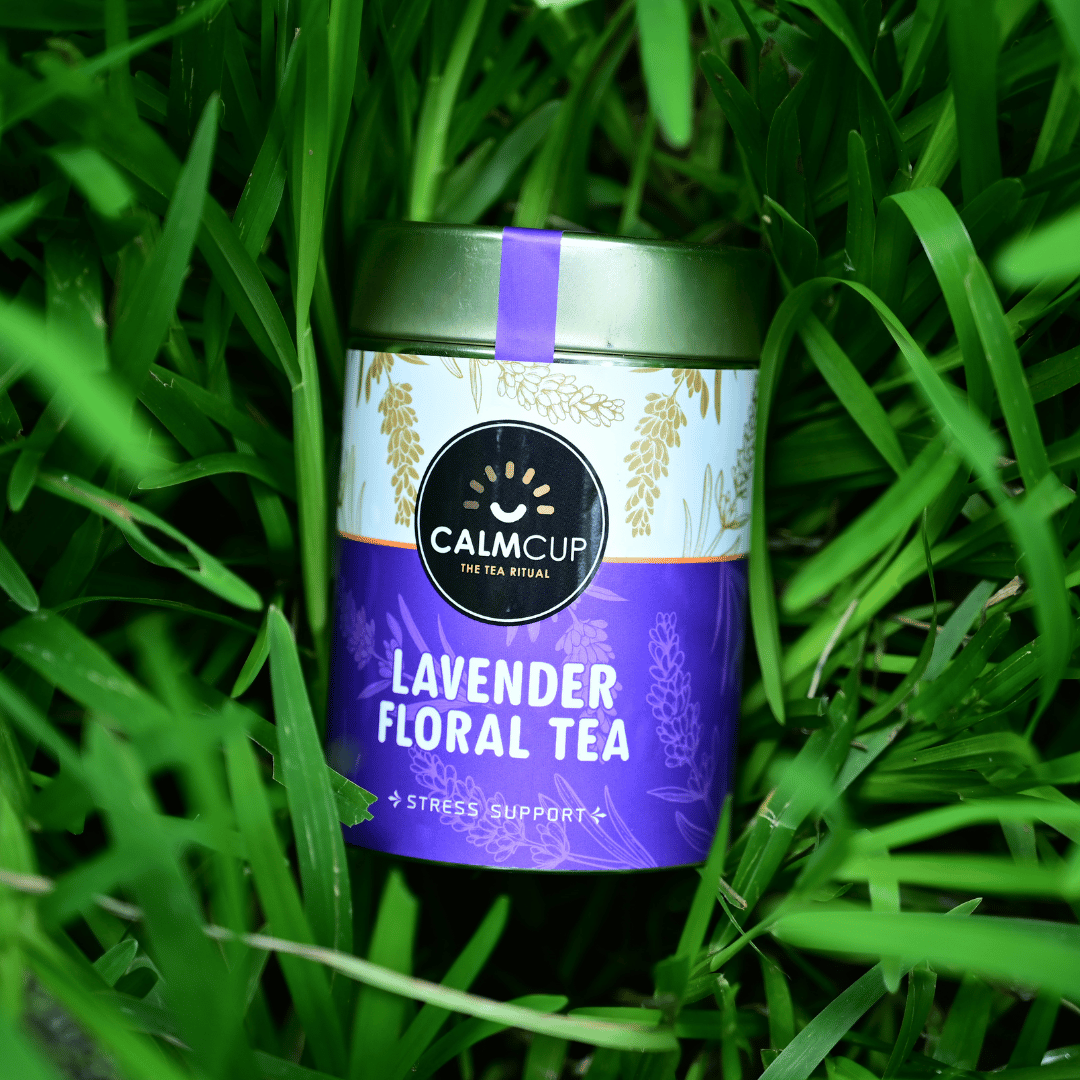
In a world buzzing with constant noise, stress, and endless notifications, finding a moment of peace feels almost impossible. But what if a simple evening ritual could change that? Enter lavender tea—a fragrant, floral infusion made from the delicate buds of Lavandula angustifolia. For centuries, this herbal tea has been celebrated in traditional medicine for its ability to relax the mind and soothe the body.
At Calm Cup, we believe in mindful living and intentional pauses. And there’s no better companion for that than a cup of lavender tea. Gentle on the senses yet powerful in its benefits, it’s the ultimate self-care essential. Let’s explore why this calming beverage deserves a permanent spot in your wellness routine.
What Is Lavender Tea?
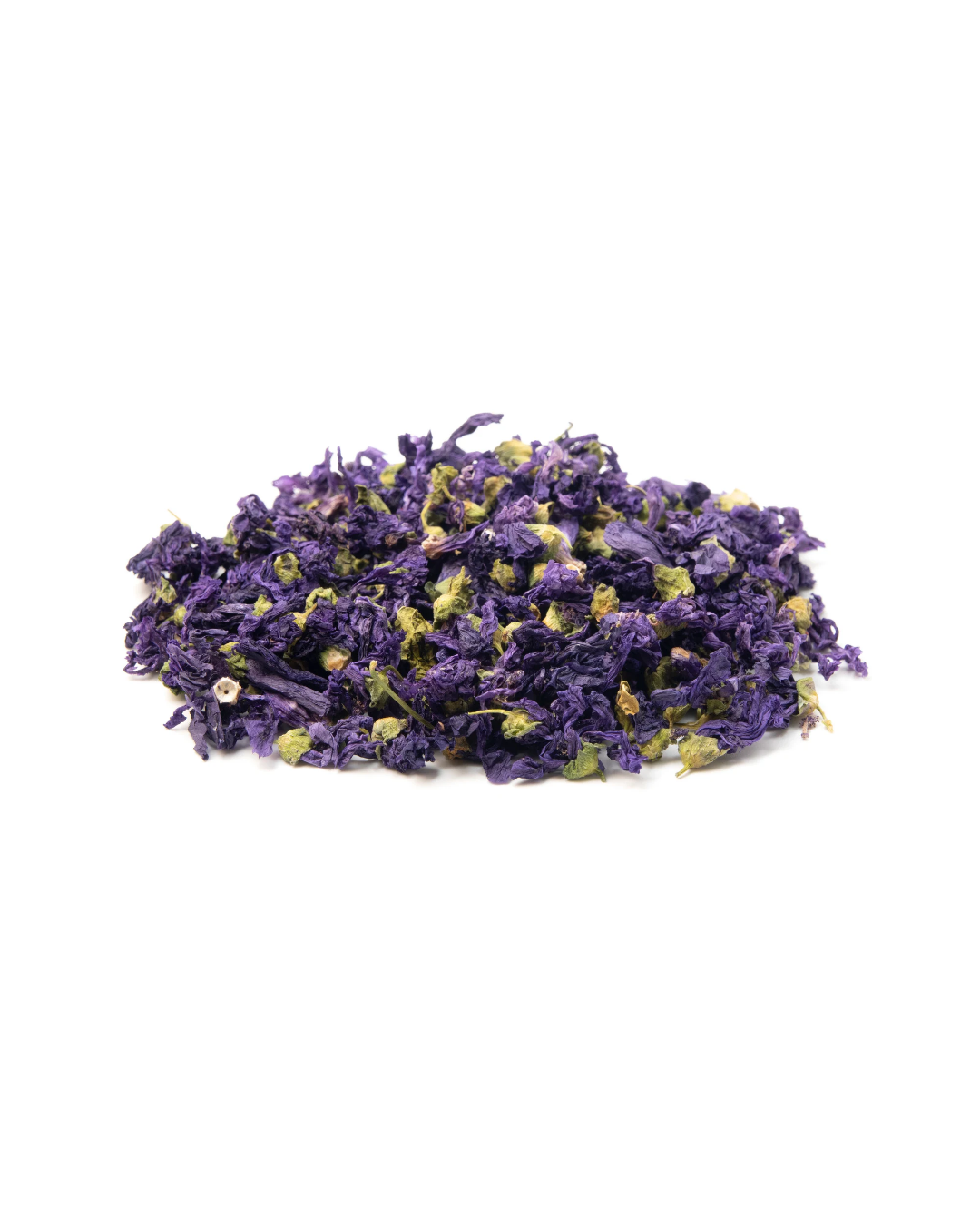
Lavender tea is prepared using the fresh or dried buds of the lavender flower, scientifically known as Lavandula angustifolia. Classified as an herbal tea or tisane, it originates from the Mediterranean region, particularly southern Europe and northern Africa.
Today, lavender is widely cultivated across the United States and many other parts of the world. It’s a popular addition to home gardens, and the dried buds are often brewed into a fragrant, soothing tea. Beyond beverages, lavender is a key ingredient in skincare and personal care products because of its calming aroma and therapeutic properties. It’s commonly used in beauty formulations to promote hair growth, improve skin tone, and support overall cellular health.
Key Compounds in Lavender & Their Benefits
| Component | Wellness Role |
| Linalool & Linalyl Acetate | Natural sedatives that calm the nervous system and reduce stress |
| Flavonoids & Polyphenols | Powerful antioxidants that protect cells and uplift mood |
| Volatile Oils | Help ease inflammation, improve digestion, and promote relaxation |
| Rosmarinic Acid | Anti-inflammatory compound that supports pain relief and immunity |
| Coumarins | Improve circulation and may relieve tension headaches |
Together, these compounds transform lavender tea into more than a drink—it’s a natural wellness ritual.
What Makes Lavender Tea Special
The lavender plant (Lavandula angustifolia), often referred to as English lavender, is a member of the mint family. Native to the Mediterranean, as well as regions of the Middle East and India, this fragrant herb boasts a history spanning more than 2,500 years. Across cultures, it has been cherished for its therapeutic and healing properties.
With tall, slender stems, narrow green leaves, and striking purple blooms, lavender remains a popular choice in gardens worldwide. Over time, it has been incorporated into countless traditions and practices:
In ancient Egypt, lavender oil was prized for its preservative and aromatic qualities and was often included in embalming rituals..
Medieval Europeans considered it a sacred herb and relied on it for its medicinal value.
Across ancient civilizations—Greece, Rome, and Persia—lavender was a popular addition to bathing rituals for relaxation and purification.
From essential oils and perfumes to skincare and aromatherapy, its soothing fragrance and skin-balancing properties make it a favourite in countless products aimed at promoting relaxation and overall well-being.
Taste Notes
Lavender tea offers a complex yet soothing flavor profile. Expect subtle hints of rosemary and mint, with certain blends revealing smoky or woody undertones. Some variations lean sweeter and more floral, while others carry nuances of green apple, rose, and earthy notes reminiscent of green tea.
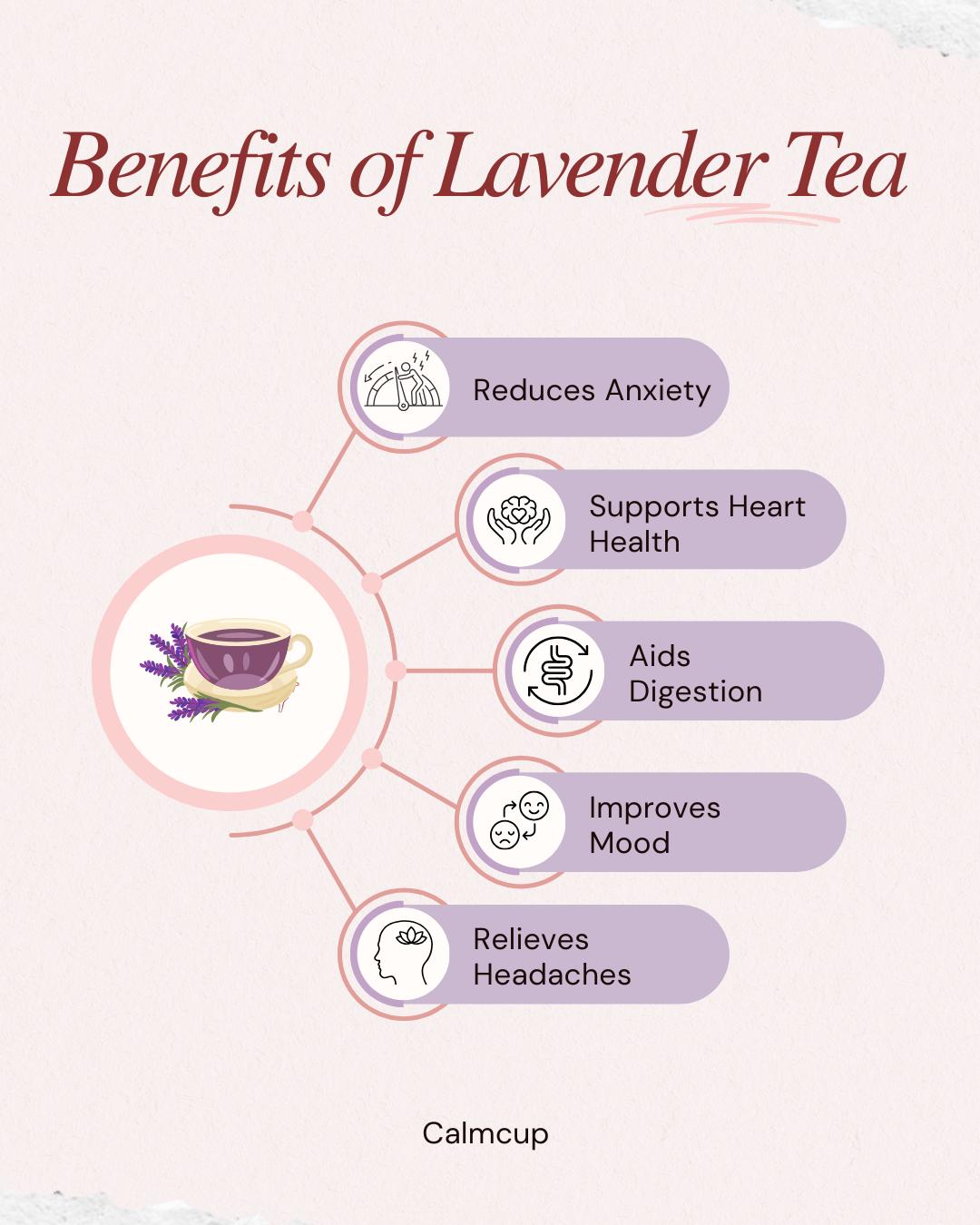
Benefits of Lavender Tea in Detail
1. Reduces Anxiety and Stress Lavender tea is widely recognized for its ability to calm the nervous system and reduce stress levels naturally. This effect is largely attributed to its active compounds, such as linalool and linalyl acetate, which interact with the brain’s GABA receptors—responsible for regulating mood and anxiety. By reducing the hyperactivity of the nervous system, lavender tea helps lower feelings of restlessness, irritability, and tension, making it a gentle yet effective alternative for managing everyday stress and mild anxiety without any dependency risks.
2. Promotes Restful Sleep If you struggle with insomnia or disrupted sleep, lavender tea can become your natural nighttime companion. Its sedative-like properties encourage the release of calming neurotransmitters and help regulate melatonin, the hormone responsible for sleep. Drinking a warm cup of lavender tea before bed relaxes the mind, soothes racing thoughts, and prepares the body for deep, restorative sleep. Unlike sleeping pills, it does this without causing grogginess the next day, making it a safe choice for long-term use.
3. Aids Digestion and Relieves Bloating Beyond its calming effects, lavender tea supports healthy digestion. The volatile oils in lavender work to relax the muscles of the gastrointestinal tract, reducing spasms, bloating, and gas. It is particularly helpful after heavy meals as it stimulates bile production, which improves fat digestion. For those who experience nausea or mild indigestion, a cup of lavender tea can provide quick relief while also calming the nervous system—creating a holistic sense of comfort.
4. Improves Mood and Emotional Balance Mood swings and irritability often result from imbalances in neurotransmitters like serotonin. Lavender tea’s polyphenols and flavonoids help regulate these pathways, promoting emotional stability and reducing episodes of low mood. This makes it a valuable beverage for individuals dealing with mood disorders or simply navigating stressful phases of life. Consistent use of lavender tea can contribute to a more balanced and positive state of mind over time.
5. Relieves Headaches and Migraines Lavender contains natural compounds that calm inflammation and discomfort, making it a gentle remedy for headaches and minor migraines. Its soothing compounds help relax constricted blood vessels and reduce nerve inflammation, which are common triggers for headaches. Pairing a warm cup of lavender tea with aromatherapy or deep breathing exercises can enhance its pain-relieving benefits.
6. Supports Heart Health Regular consumption of lavender tea can indirectly benefit cardiovascular health. By lowering stress levels and inducing relaxation, it helps regulate heart rate and reduce blood pressure—two key factors for maintaining heart wellness. Chronic stress often contributes to hypertension and heart strain, so incorporating lavender tea into your daily routine can be a small yet powerful preventive measure for long-term heart health.
7. Additional Wellness Benefits Lavender tea also provides several secondary health advantages. It can help soothe menstrual cramps due to its mild muscle relaxant properties, making it an excellent choice during your cycle. Its antioxidant-rich profile supports skin health by reducing oxidative stress and inflammation, which often lead to premature aging. Additionally, lavender tea may ease respiratory discomfort by calming inflamed airways and improving breathing during mild colds or allergies. Its anti-inflammatory effects extend throughout the body, helping to lower chronic inflammation and promote overall wellness.
Conclusion
Lavender tea is more than a drink—it’s a gentle remedy, a mindful ritual, and your daily dose of calm. In a world that constantly pulls you outward, let Calm Cup Lavender Tea bring you back to center.
Experience peace, naturally. Shop Calm Cup’s 100% Natural Lavender Tea—because your body and mind deserve it.